Here’s a hint: It’s probably something you’ve struggled with too
Time to get vulnerable. I want to uncover a core wound that keeps me stuck spinning my wheels and sitting on the sidelines of life missing out on all of the fun stuff. Like an old injury that just won’t heal, it’s a sore spot that’s been with me since I was a preschooler. It followed me into childhood, the teen years and beyond, and despite my many attempts to mend it once and for all, it’s a pain rooted so deep, I fear I may never escape its toxic grip.
It is a thief of joy. A de-motivator. An affliction of the soul. It’s a self-imposed prison. An isolating, embarrassing and often exploited wound festering just under the surface of my skin. What is this terrible trap snagging and sabotaging me at every turn?
Shame. Body shame to be exact. We’re all familiar with public figures being “body shamed” for their post-pregnancy bodies, visible cellulite on their vacation photos, and the extra twenty pounds they put on during midlife. Society holds celebrities to superhuman standards, expecting them to never wrinkle, sag or plump up. Why do we think we have the right to criticize, critique and reject other people’s changing bodies in person or online?
I think it is because that’s the way most people talk to themselves: with a judgmental and harsh inner voice. So many of us are guilty of being our own worst critic. Dissatisfaction with our natural bodies (whether it be hair, skin, facial features, body type, muscle mass, curves or lack thereof, or signs of aging) keeps the beauty, diet, fitness and plastic surgery industries booming. In the Western world, we line the pockets of corporations, gyms and entrepreneurs who promise a quick fix to soothe our fragile, egos and deflated self-esteem. I’m all for being healthy and thriving, but I don’t love way people place their value as a person on their appearance.
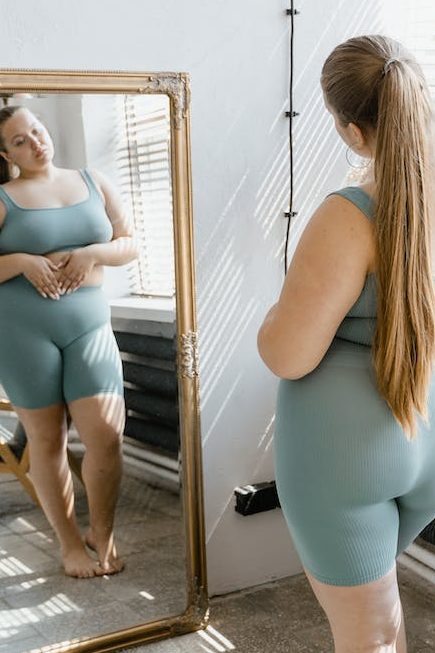
But, *sigh*, I am guilty of this also. A product of American media, I absorbed all the portrayals of women in everything from those Saturday morning cartoons (She-Ra anyone?), to movies, sitcoms, and the covers of my mom’s Cosmopolitan magazines neatly stacked on the coffee table. When my reality didn’t match up to my perceptions (or maybe misconceptions?) of what femininity is, I rejected myself. Plain and simple.
Did you, too? Were there moments in your childhood and adolescence were you fell short of your expectations and declared your body to be ugly, weird, fat, skinny, too tall, too short, etc.? Are those childhood insecurities still with you today? Mine never really went away, even through I have worked very hard to repair my damaged sense of self.
That’s where another key component of body shame comes into the mix–not the way we see and talk to ourselves–but how others perceive and acknowledge us, especially those we care about. I’m going to rat out my family here and confess that they were extremely fat-phobic. In my childhood home, good looks and a fit body were as important (or maybe more important) than solid values and strong character. My father regularly uttered insults under his breath when we passed an overweight person or someone with a shabby appearance. Horrible, I know. My beautiful, thin mother, who was obsessed with dieting and fitness, regularly called her self fat, flabby and ugly… right in front of her children. Yikes. It’s no wonder I absorbed the message at such a young age that my worth was tied to my physical appearance.
The childhood bullies didn’t help either. I was routinely picked on as a kid for my features. In my teen years it was even worse, with a group of popular girls zeroing in on my many insecurities and and some guys at school publicly shaming my body in an months long campaign to crush my self esteem, disparage my reputation, and get laughs from the other boys. Sadly, I was also the victim of CSA, which also creates a dark, insidious pit of shame, but that is another subject for another day. I want to acknowledge there are many outside influences that contribute to low self worth.
This leads me to my main point: how did this core wound of body shame lead me to writing teen fiction? The pain and rejection I lived through inspired me to write about the underdogs, misfits and those still figuring out who they are. It’s in the great crucible of adolescence that your sense of self is formed and solidified. What an auspicious time of life to write about. Especially, when it comes to one’s body image and inner voice in this picture perfect, social media-obsessed world.
Because I suffered from depression, anxiety, low confidence, body dysmorphia and more fun stuff like CPTSD and a disregulated nervous system, *eye roll*, I am compelled to address those topics through creative writing. I wish someone would have told teenager me that my body was worthy of love, not just for all the magical things it does to keep me alive, but for its inherent beauty, which is a reflection of the divine. I’m not going to get too spiritual or philosophical on you, but our bodies are a product of all of those who went before us: our parents, grandparents, and ancestors going back millenia. Our curves, sharp angles, pokey parts and soft squishy ones, are given to us with love. We don’t get to choose. We can decide to honor these skin suits each of our souls is walking around in down here on Earth and know that we are so much more than flesh and bones. We are love, light, strength, perseverance, kindness, humor, humility, and a lot of other good stuff.
Each and every young person, no matter what size, shape, color, or gender identity, and whether they are neurotypical or neurodivergent, abled or disabled, healthy or health-challenged, or any other characteristic, is 100% worthy of love. Their bodies are acceptable and to be celebrated. None of us are getting out of here alive. Can we just calm down and enjoy life? It’s hard enough without having to worry about our profile pics and a number on scale. Can we let go of this conditioning that we have to be “this way” or “that way” to be worthy? It is possible to let the shame slide and love ourselves a little more? Life is short and precious, to be sure.
So, I write about that. I create relatable characters who struggle with body image, self esteem, and relationships with themselves and others. My first young adult novel Song of a Sophomore–while a fun, coming-of-age love story set to a 90s mixtape–is also a tale about coming from a place of self-hate into self-love. My latest novel When We Were Wildflowers is a lower YA story about labels: perceptions of self, parents, friends, and others; and how our insecurities and assumptions often get in the way of life, love and happiness.
Thanks for sticking with this vulnerable post. I appreciate your feedback on this tough subject and ask for one favor… give yourself a hug and let your inner child know they are safe, worthy and loved just how they are.
Love and light (and shadows too),
Marie

 Marie McKoy